The Secret Life of Photographs: Why Some Images Refuse to Be Taken - Why Some Photographs Deserve to Be Burned

There are times when I have become convinced that certain photographs simply do not wish to be taken - .Why Some Photographs Deserve to Be Burned
You arrive. You notice the scene. You feel that little internal nudge that says, there is a picture here.
You raise the camera, take the photograph, and then look at the result only to find that the scene has turned unhelpful, awkward, or faintly sulky.
I have seen this often enough to conclude that some subjects are cooperative, while others prefer to keep you waiting.

Old doors are a good example. They may look perfectly charming at first glance, but if the shadow is lying in entirely the wrong place, they will not give you their best side.

Walls can be equally difficult. They may have texture, colour, age and character, but unless the light has the decency to arrive properly, they can appear drab and rather put out.
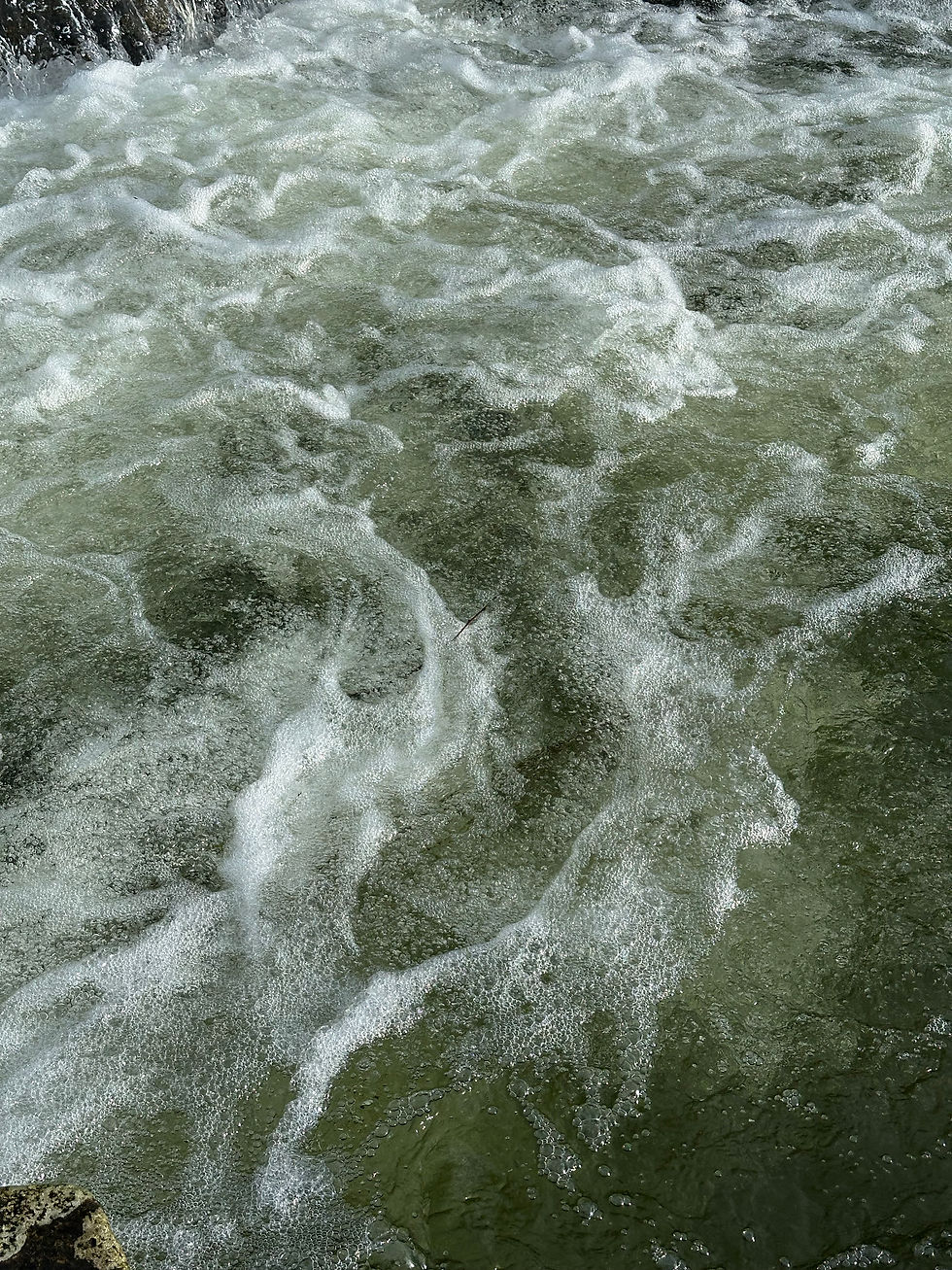
Rivers are no better. They may shimmer graciously one moment and then, a few minutes later, behave as though they have never heard of atmosphere.
Mist, of course, is the prima donna of the photographic world. It drifts, it withholds, it hints, it teases, and then it vanishes before you have quite worked out what it was trying to say in the first place.
I have also noticed that some details become rather full of themselves when photographed too closely.
A weathered number above an old doorway, for instance, may seem quietly interesting when part of the whole scene, but crop in too tightly and it can begin to act as though it deserves its own exhibition. One must be careful not to encourage this sort of behaviour.
There are, I believe, a few recognised ways of handling difficult photographs.

The first is patience.
This is deeply unpopular in modern life, but it remains surprisingly effective. If a picture is not ready, there is often very little to be gained by forcing it. Better to stand still, look again, and allow the scene to recover its composure.
The second is not to assume that the first moment is the right one.
A subject may catch your eye immediately, but that does not mean it has reached its full potential. The photograph may still be arranging itself. The light may need to move. A shadow may need to shift. A highlight may need to find the one place where it suddenly makes sense of everything.

The third is encouragement.
I am not saying that walls, bridges, doorways and puddles literally respond to kind words, but I am not ruling it out either.
There are scenes that seem to reward those who approach them with a little more care and a little less greed. Rush them, and they shut down. Give them time, and they begin to open.
Then there is the important matter of visual diplomacy.
Some photographs do not want you to take everything. They want you to choose. They want you to decide what matters, what supports it, and what is merely cluttering the peace. A scene can become much more agreeable once you stop trying to include the whole world in one frame.

I sometimes suspect that this is why timing matters so much. It is not merely about being there. It is about being there at the right moment. Too early, and the picture has not yet woken up. Too late, and the sparkle has gone. In between, if you are fortunate, everything comes into quiet alignment and the image more or less offers itself to you.
And when that happens, it is rather lovely.
So yes, after many years with a camera, I have come to believe that some photographs refuse to be taken until they are ready.
They are awkward creatures.
Sensitive.
Slightly vain.
Occasionally obstructive.
But worth the effort.
And if you are now wondering whether I have finally lost my grip and started attributing emotional complexity to old buildings and patches of light, you may relax.
It is, after all, April Fool’s Day.
Photographs do not have feelings. Doors are not offended. Mist is not theatrical. The number above a doorway is not trying to become famous.
But there is a grain of truth hidden in the nonsense.
Good photography often does ask us to wait, to notice, and to recognise that a scene may not be at its best the moment we first see it. Sometimes the difference between an ordinary photograph and a lovely one is not a different camera, or a clever setting, or some grand technical trick.
Sometimes it is simply a matter of allowing the picture to become itself.
And that, absurdly enough, is no joke at all.


Comments